
Community Health Nursing
OVERVIEW
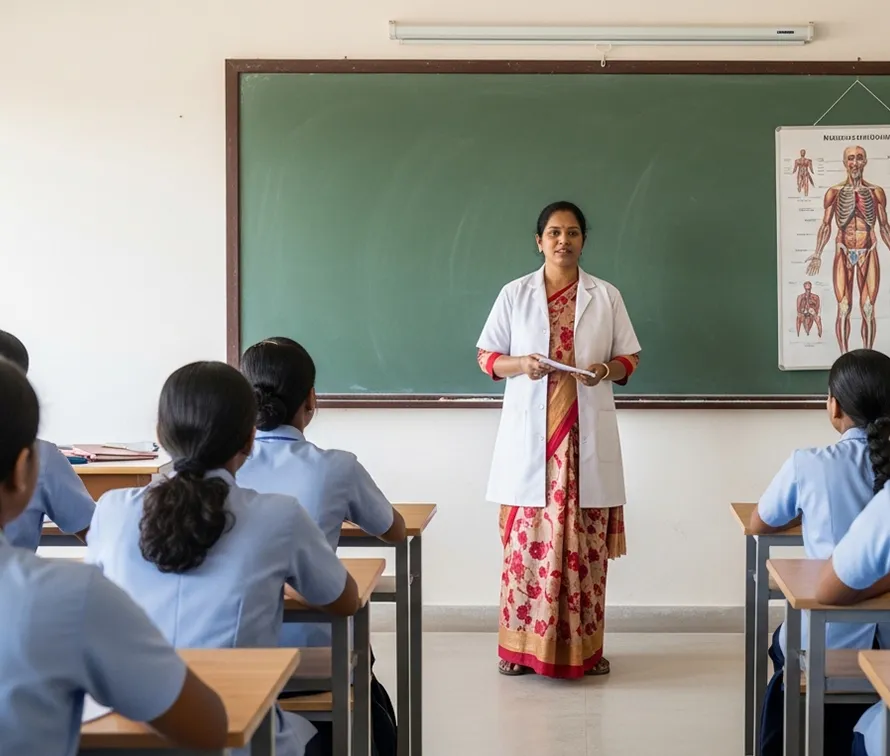
The Department of Community Health Nursing is focused on fostering and strengthening the relationship of the College with the community. The Department imparts quality education to the students and is committed to preparing them as exemplary community health nurses. The Department of Community Health Nursing is involved training of under-graduate and post-graduate nursing students in the field of Community Health Nursing. . Students are provided opportunity to participate at all level of health care delivery in order to reach the highest ladder of capacity building linkage for enhancement in public health. And well- being with other colleagues, organizations, corporate, and Government institution are also provided. At present the department includes qualified staffs who are fully involved in training students in Community Health Nursing in promoting health and preventing illness.
The department has been performs various forms of health education programs. Department of Community Health Nursing is developing the competent community health nurses by providing them with appropriate knowledge, skills, and developing positive attitude for working in community.
The department actively participates in extension activities like nutritional demonstration, school health programmes, individual and group health educations, observation visits, involved in other national health programmes and health camps.
The Department of Community Health Nursing to provide in depth knowledge in community health nursing concepts, philosophy, principles and practice. The Department functions with the belief that every patient coming to a health care institution belongs to a family and community and hence considers holistic care are of utmost importance.
Vision
Strive to attain excellence in nursing education and service in community setting and to offer diverse learning experience that facilitates the development of competent community health nurse and valuable citizens, who demonstrate excellence in community service, family & individual care, education and research.
Mission
This institution has recognized the health care needs of the society and thereby department of community health nursing aims to prepare nurses to assume responsibilities as professional, competent nurses in providing promotive, preventive, curative and rehabilitative services to the community.
Philosophy
The Department believes that a rigorous education prepares the graduates to pursue a career as a Community Health Nurse all the while maintaining their cultural, social and religious identity Community Health Nursing is a professional practice discipline which offers a valuable service to the public by working with individuals, families, groups and communities to develop and implement strategies to meet health care needs.
Community Health Nursing Department is fortified by a culture of integrity and excellence in its commitment to educate students who is prepared to face recognize the challenges that result from continual changes in the structure and delivery of healthcare; the varying complexities of health conditions; the variety of advances in healthcare settings and the explosion of health information and technology, with a spirit of fairness, justice, community service, social responsibility for others and the courage to be innovative.
Core Values
To assume responsibilities as professional, competent nurses in providing promotive, preventive, curative and rehabilitative healthcare services in community setting.
Aims
- The aim of community health nursing practice is to promote health and efficiency.
- To Prevention and control diseases and disabilities.
- Need based health care to prolong life.
- Participate in field team activities at the primary health care level.
- Identify and utilize available resources in community.
- To give health education on all peoples.
Objective
At the end of the course students will be able to
- Identify the health needs and problems of individuals, families and community. Develop skills in planning, implementing and evaluating health care services to individuals, families and community in the rural setting.
- Provide comprehensive family health care by using the nursing process approach.
- Demonstrate the ability to educate and counsel the community and school children using different approaches.
- Assist in family welfare services.
- Recognize the health care delivery systems and their role in providing services to community.
- Study various functions and participate in the activities of primary health centre.
- Identify the supervisory responsibilities of community health nurse.
- Conduct community health assessments
- Develop and implement health promotion programs
- Provide disease prevention and management services
- Coordinate care with other healthcare providers
- Advocate for health equity

Facilities
Thirubhuvani-PHC and its surrounding area of:
- Thirubhuvanai
- Kalitheerthalkuppam
- Sanniyasikuppam
- Thirubhuvani Palyam
- Madagadipet
- Kothapurinatham
- Andiyarpalayam
Urban Health training center at Villupuram and its surrounding areas of :
- Kappur
- Anangur
- Ayyur agaram
Rural Health Training Centre at Thiruvennainallur
- Kirimedu
- Chithilingamadam
- Periyasevalai
Adopted villages of Vinayagampattu and medical colleges for practicesr
- Community bags
- Flash card
- Instruments and equipments
- Drugs
- Family folder and all health assessment formats
- A.V.Aids
- Models
- Flannel graph
- Chart
- Flip chart
- Puppets
- Posters
- Banners
Research in Community
Nursing research is vital to the nursing profession and is necessary for continuing advancements that promote quality nursing care. Nursing research is essential for the development of empirical knowledge that enables nursing students to provide evidence based nursing care .The faculty and students are constantly motivated to focus on the research activities to promote quality health outcomes for individuals, families, communities and health care systems. Our department has conducted projects in and thesis in several aspects and published in national and international indexed journals for findings were published in our community settings.
Social Responsibility
Community health Nursing Department prepare the student nurses regularly work closely with members of the public. This frequent contact helps them assess the most pressing issues facing community members as well as encourage lifestyle changes and offer education on healthy living particularly to the most vulnerable in society.
Best Practices
Education
1
Disaster management training
2
Community first aid management
3
Village cleaning drive
4
Vector source reduction activities
5
Global burdening disease awareness rally
Thrust Area
- Community Based Rehabilitation Service
- Maternal and Child Health
- Community Nutrition
- Communicable & Non-communicable Disease
- Geriatric Health
- Tele-Nursing
Activities
2025
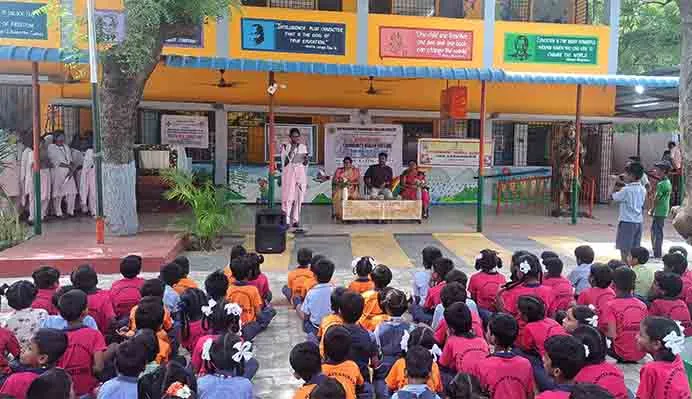
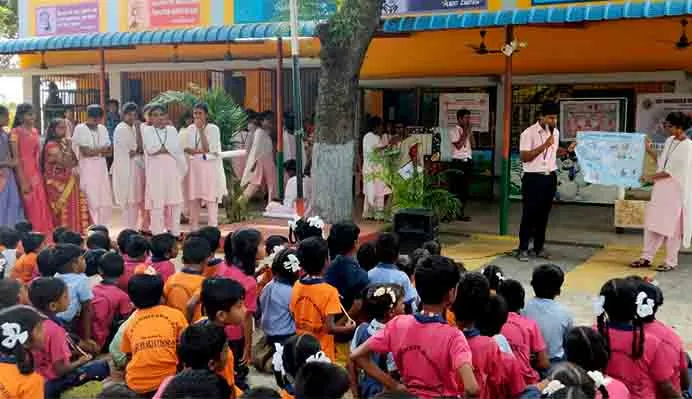
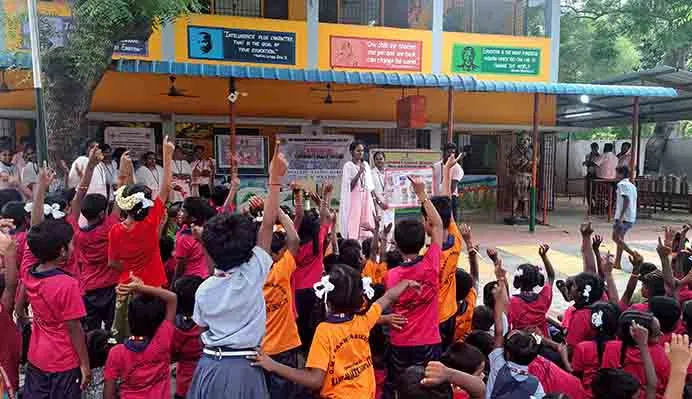
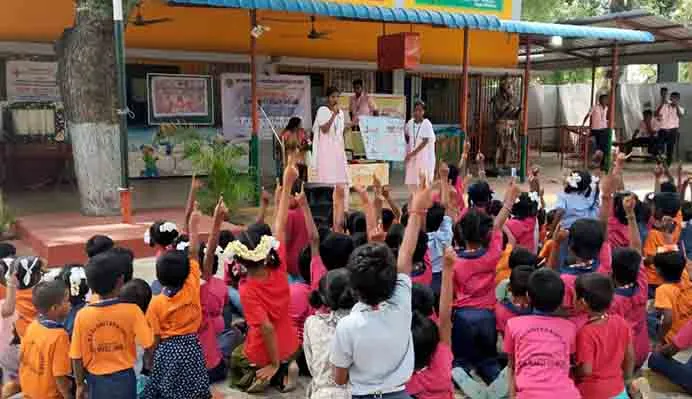
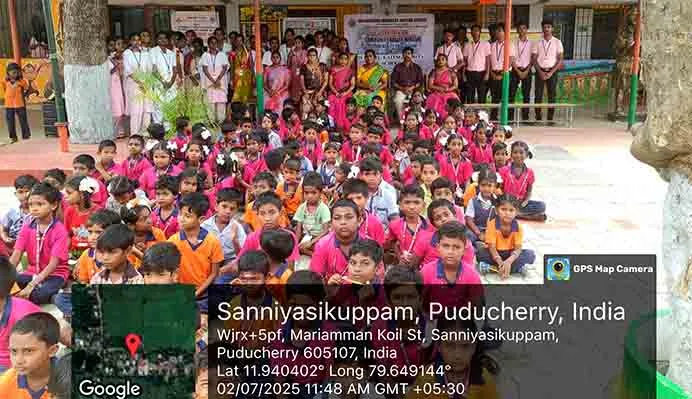
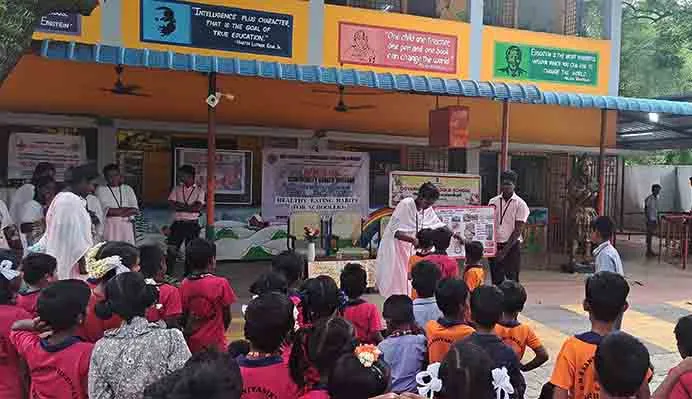
SCHOOL HEALTH PROGRAMME ON HEALTHY EATING HABITS
The School Health Programme on Healthy Eating Habits was conducted on 02.07.2025 at Government Middle School, Sanniyasikuppam, Puducherry. The programme was headed by Mr. Daniel, Headmaster of the school, and 120 students benefited from the programme
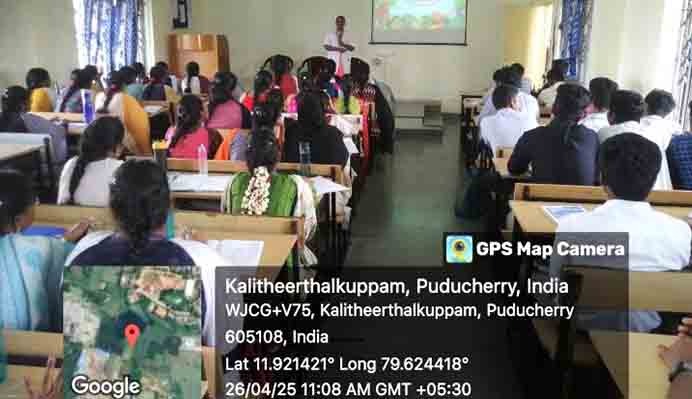
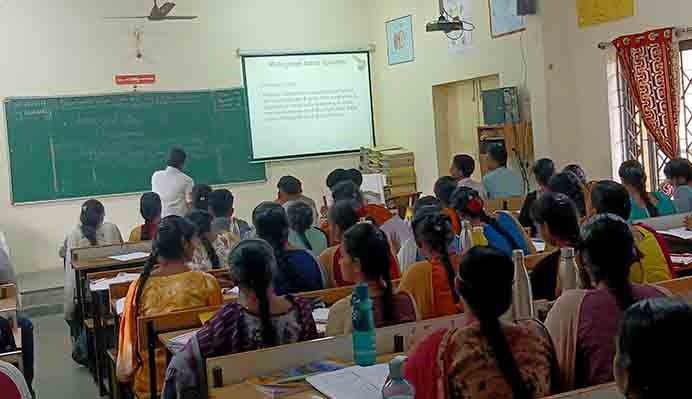
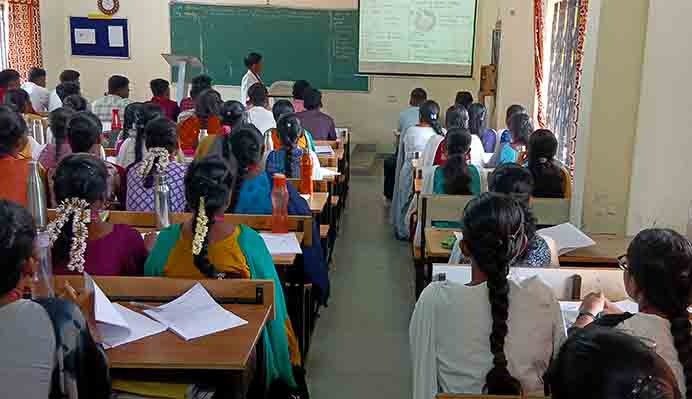
GUEST LECTURE ON LIFESTYLE AND NUTRITIONAL PLANS
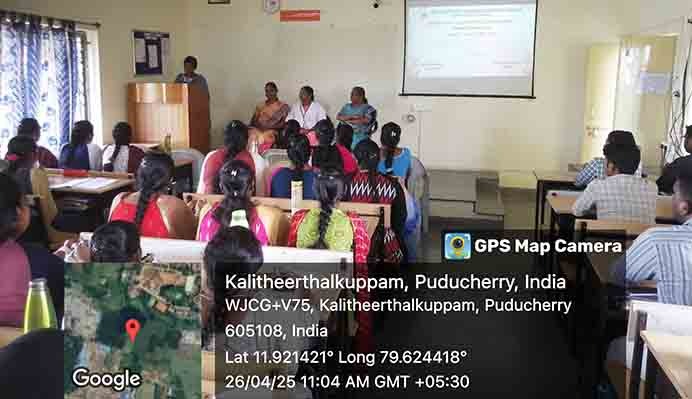
A guest lecture on Lifestyle and Nutritional Plans was conducted at SMVNC, Puducherry, on 26.04.2025. The session was presented by Mrs. J. Shanmugapriya, Dietician, SMVMCH, for B.Sc. Nursing IV year students, and 82 students benefited from the programme.
NON-COMMUNICABLE DISEASE (NCD) SURVEY
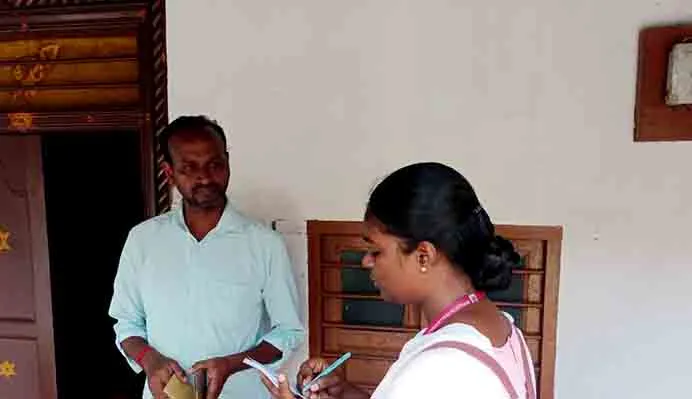
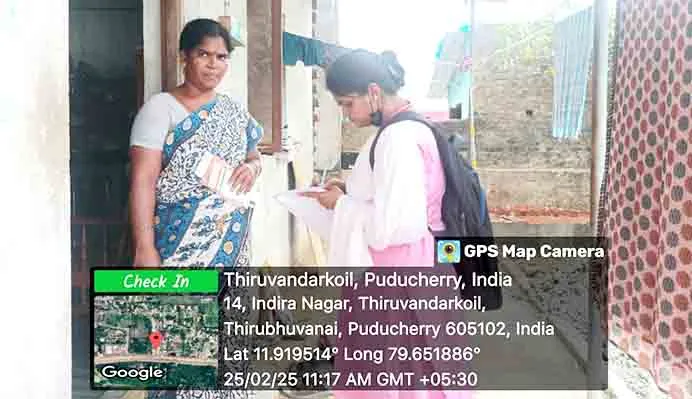
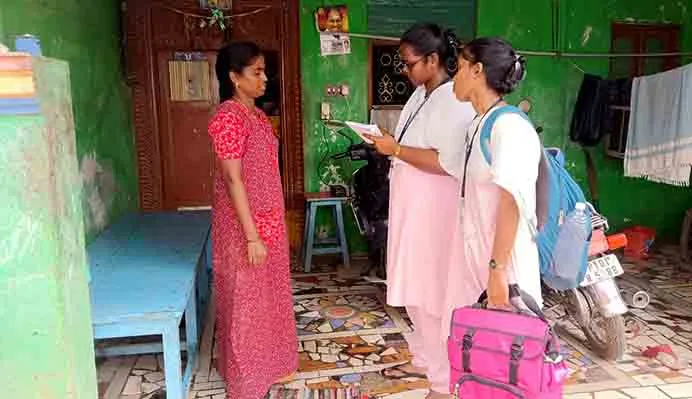
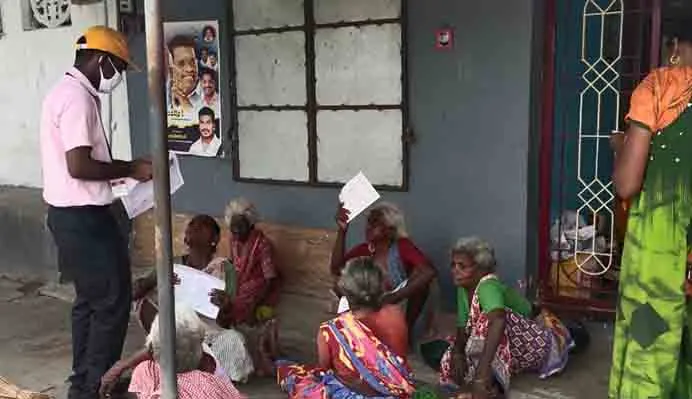
A Non-Communicable Disease (NCD) Survey was conducted in Thirubhuvanai, Puducherry, from 25.02.2025 to 15.03.2025, inaugurated by Dr. Iswarya, Medical Officer, Thirubhuvanai PHC. A total of 97 B.Sc. Nursing V Semester students participated in the survey, 500 community people were benefited.
SCHOOL HEALTH PROGRAMME ON UNDERSTANDING EYE DONATION
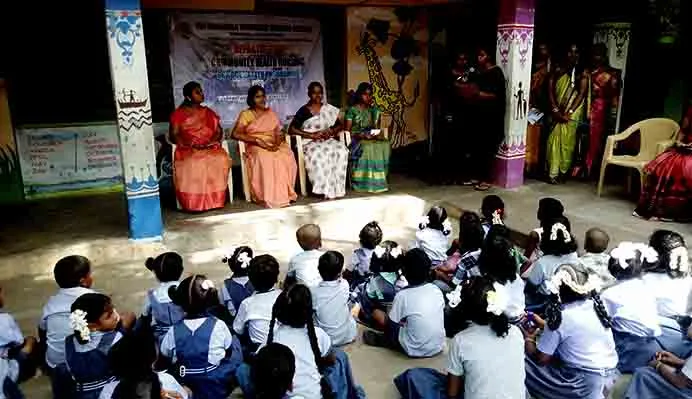
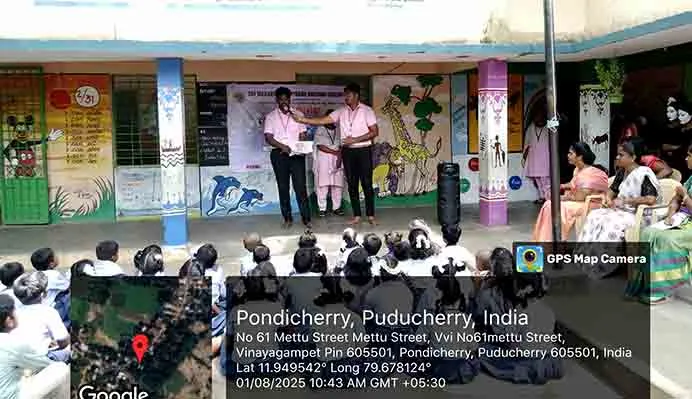
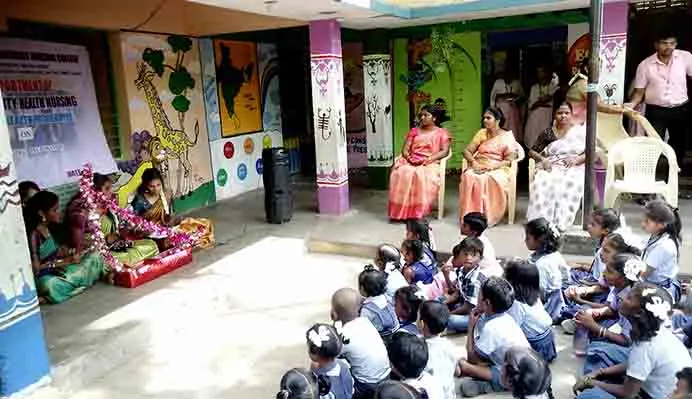
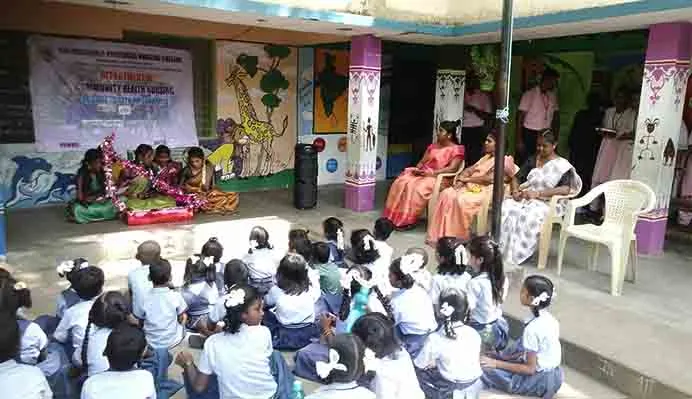
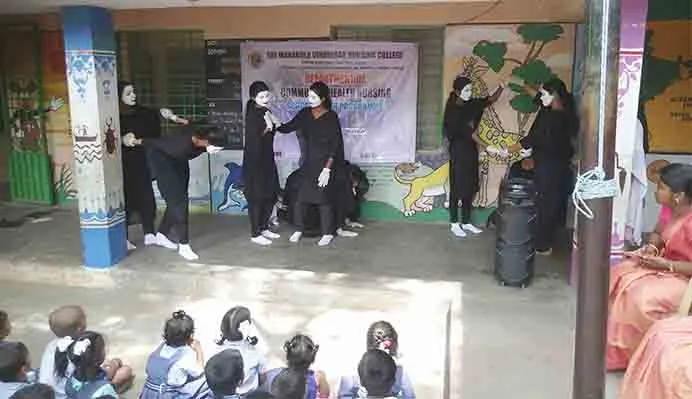
The School Health Programme on Understanding Eye Donation was conducted on 01.08.2025 at Government Primary School, Vinayagampet, Puducherry. In the presence of Mrs.Vijayalakshmi, Headmistress, Government Primary School, Vinayagampet, Puducherry, and 50 school students benefited from the programme
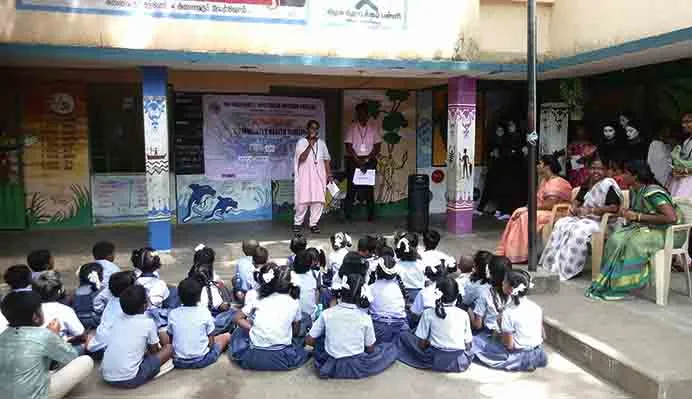
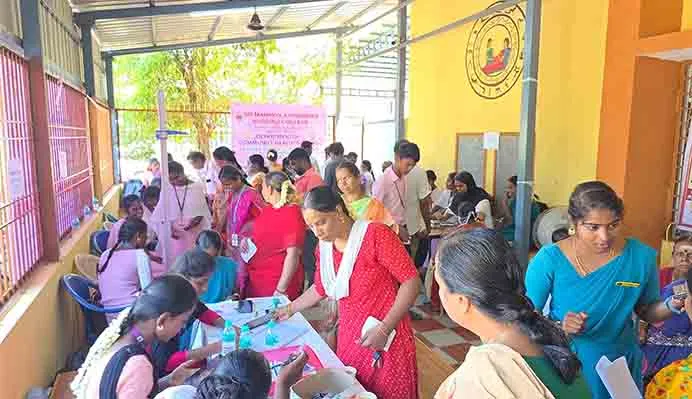
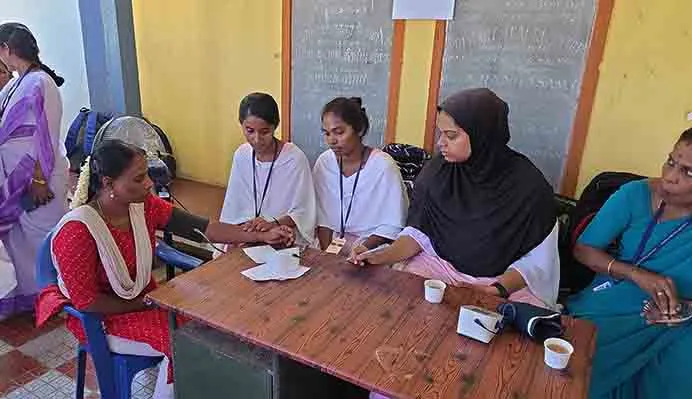
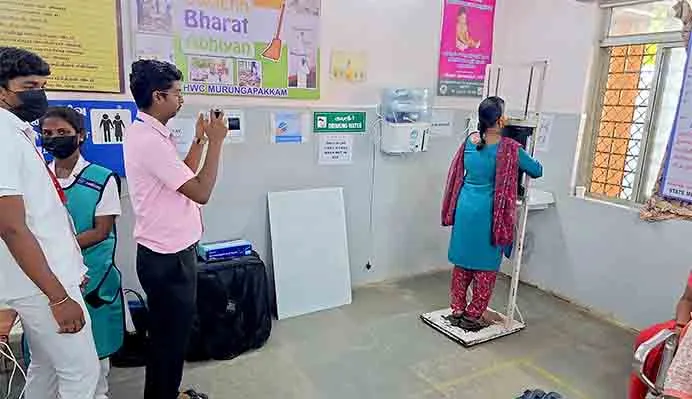
HEALTHY WOMEN- STRONG FAMILY CAMPAIGN
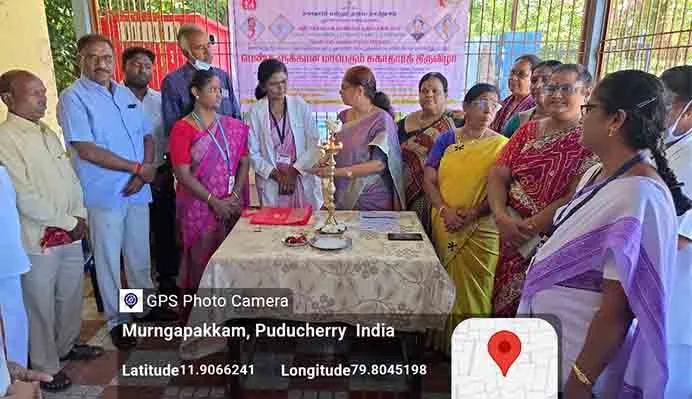
A mass health campaign on women’s health under the Central Government scheme “Swasth Nari, Sashakt Parivar Abhiyaan” was conducted in collaboration with Murugambakkam PHC on 18.09.2025 with the support of Dr. Menaka Karmegam, Medical Officer.
Around 200 community people benefited from the programme.
2024
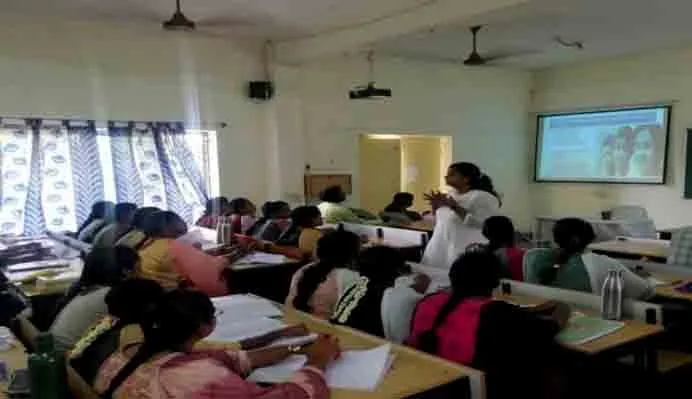
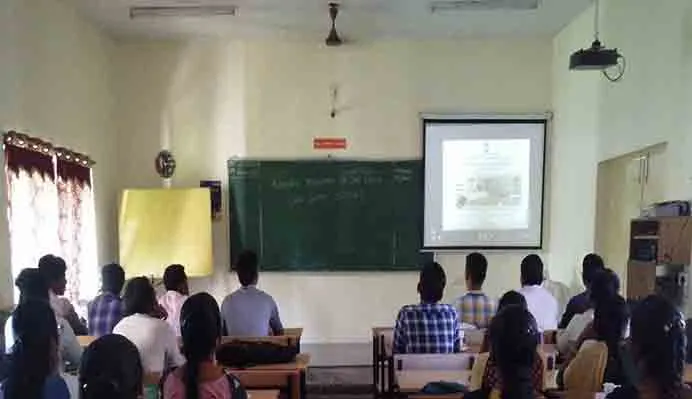
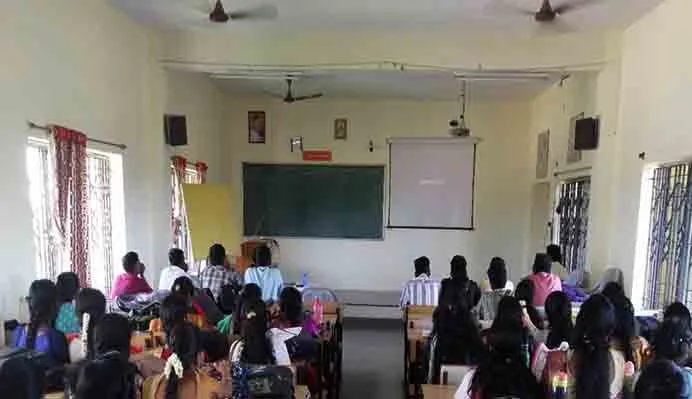
GUEST LECTURE ON ADOLESCENT HEALTH
A guest lecture on “Adolescent Health” was conducted for B.Sc. Nursing IV Year students by Dr. Reena, AP, Dept. of Community Medicine, SMVMCH on 28th March 2024. A total of 82 students were benefited from the programme.
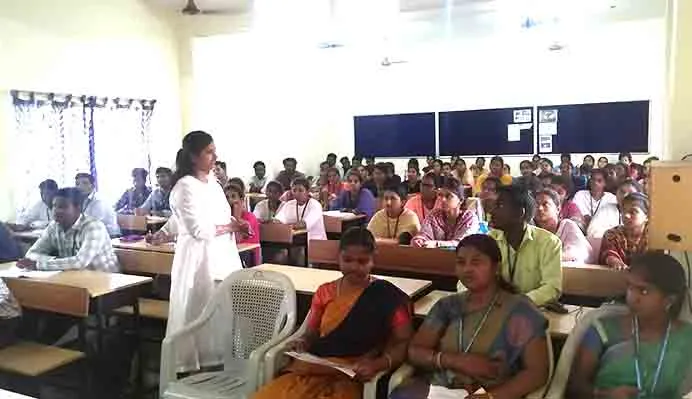
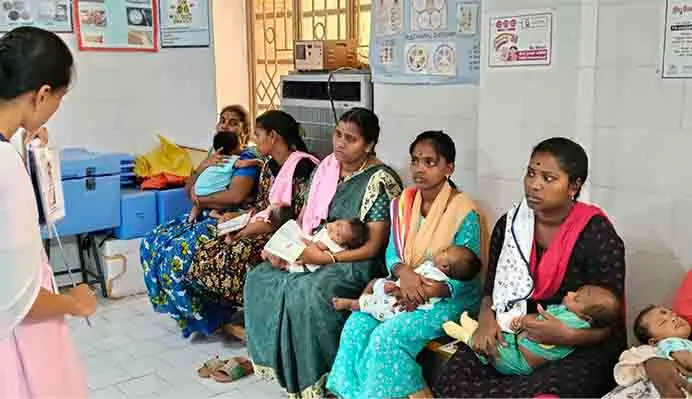
AWARENESS PROGRAMME ON DIET DURING ANTENATAL PERIOD
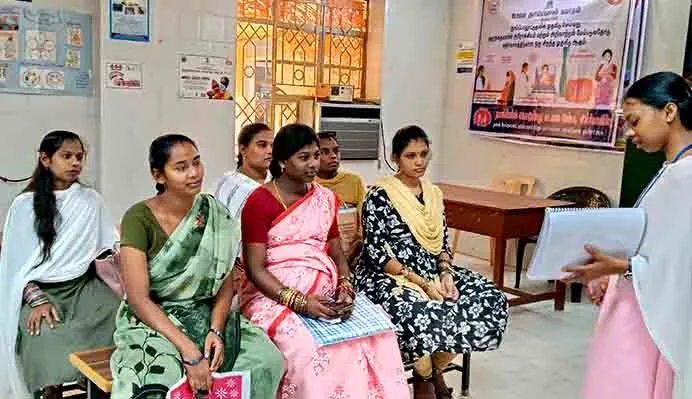
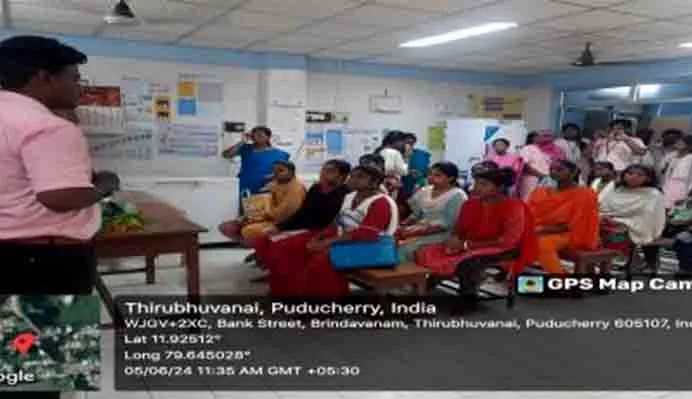
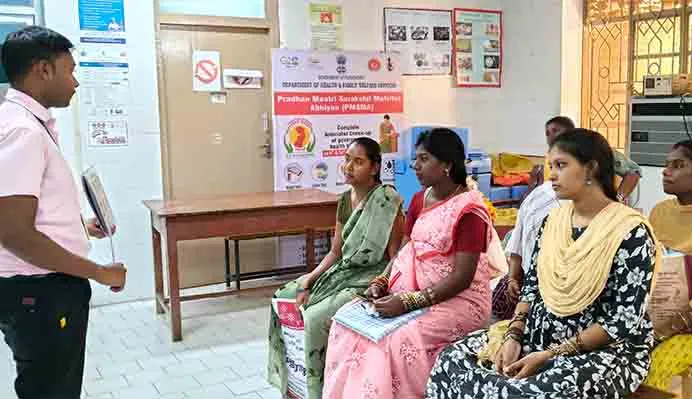
An awareness programme on diet during the antenatal period was conducted for antenatal mothers at the Thirubhuvanai Primary Health Center, Puducherry, on 05.06.2024. A total of 50 antenatal mothers benefited from the programme.
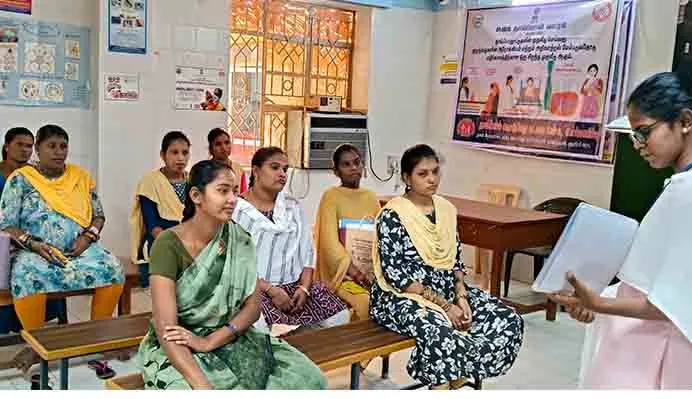
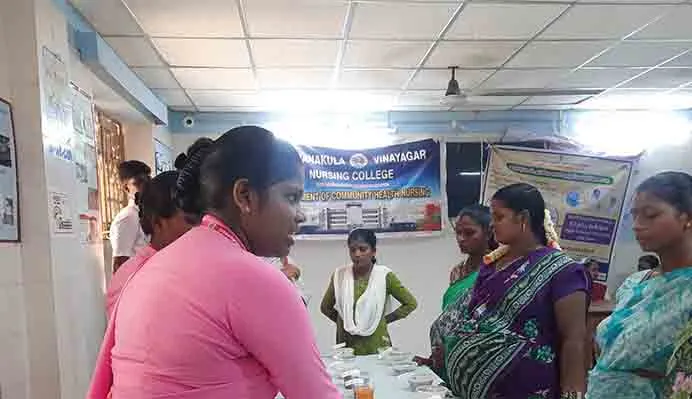
NON-COMMUNICABLE DISEASE (NCD) SURVEY
A Non-Communicable Disease (NCD) Survey was conducted in Thirubhuvanai, Puducherry, from 25.02.2025 to 15.03.2025, inaugurated by Dr. Iswarya, Medical Officer, Thirubhuvanai PHC. A total of 97 B.Sc. Nursing V Semester students participated in the survey, 500 community people were benefited.
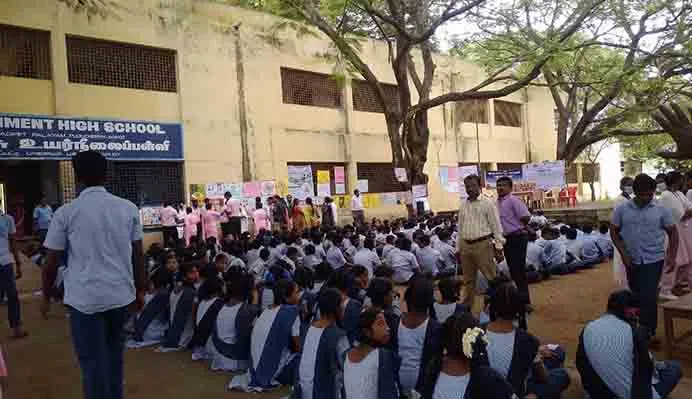
AWARNESS PROGRAMME ON EYE DONATION
A School Health Programme was conducted at Government High School, Thirubhuvanai, on 13.09.2024. The programme was inaugurated by Dr. Kavitha Ashwin, Specialist in Ophthalmology, NPCB, Puducherry, and Dr. Vaishali, Specialist in Ophthalmology, NPCB, Puducherry. A total of 50 students benefited from the programme.
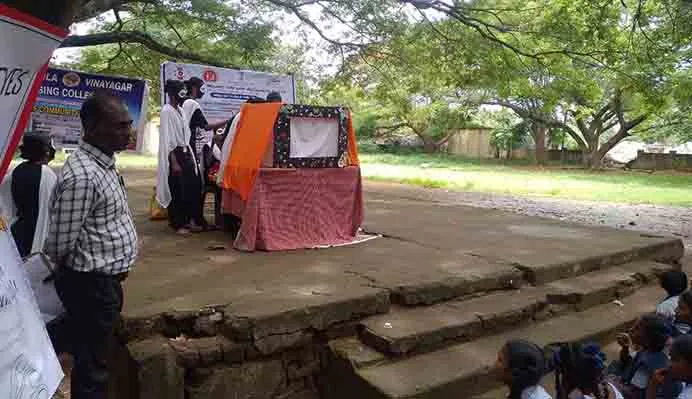
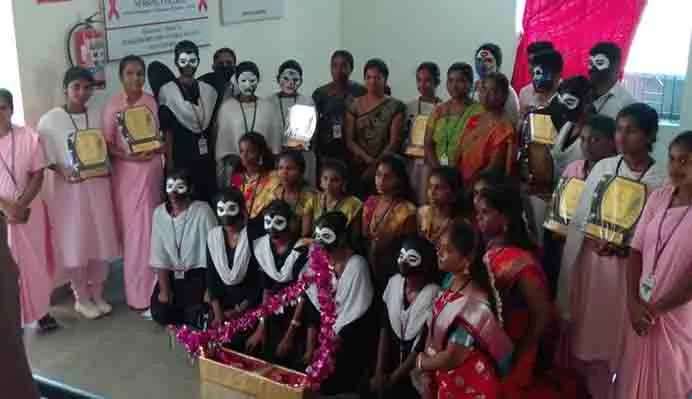
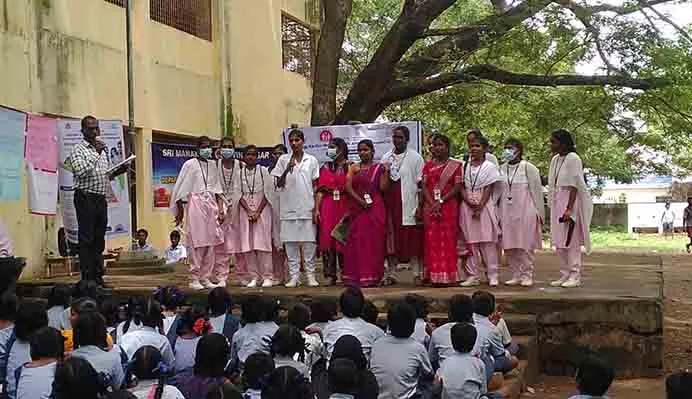
HEALTHY WOMEN- STRONG FAMILY CAMPAIGN
A mass health campaign on women’s health under the Central Government scheme “Swasth Nari, Sashakt Parivar Abhiyaan” was conducted in collaboration with Murugambakkam PHC on 18.09.2025 with the support of Dr. Menaka Karmegam, Medical Officer.
Around 200 community people benefited from the programme.
2023
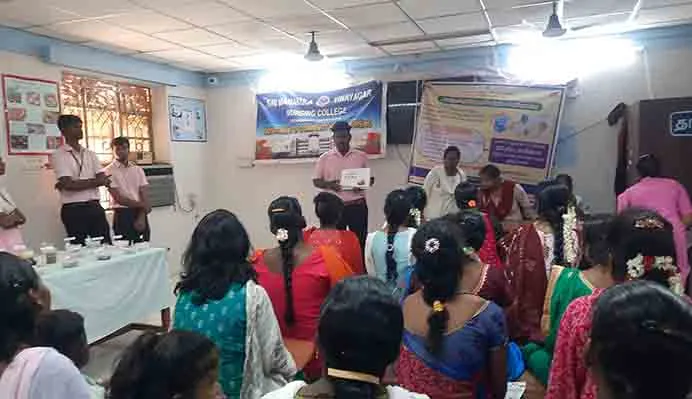
AWARENESS PROGRAMME ON ANTENATAL CARE
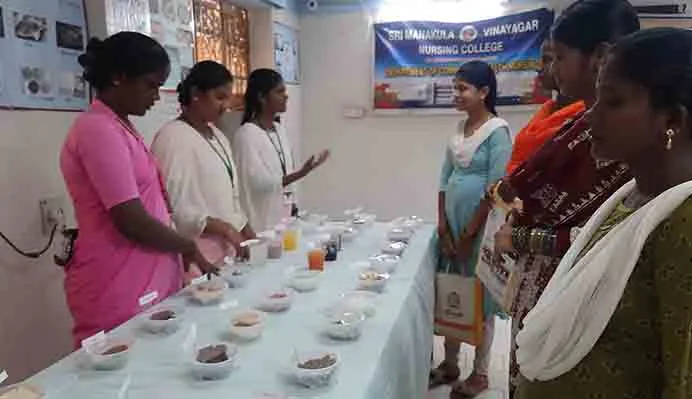
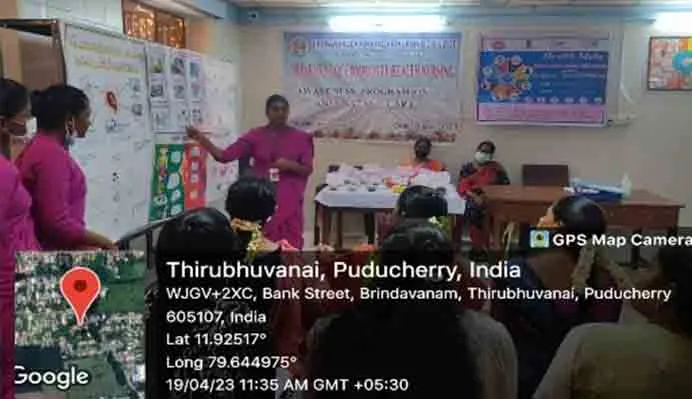
An awareness programme on antenatal care was conducted on 19th April 2023 at Thirubhuvanai PHC, Puducherry, with active participation from nursing students. Around 50 community members benefited through health talks and interactive sessions.
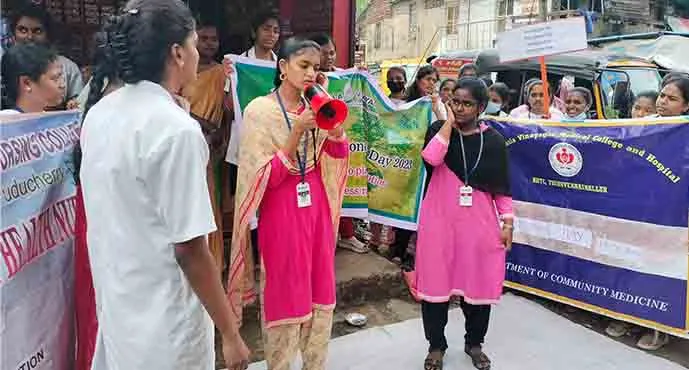
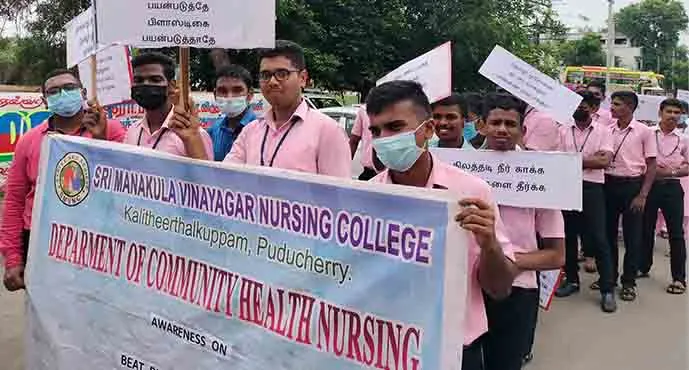
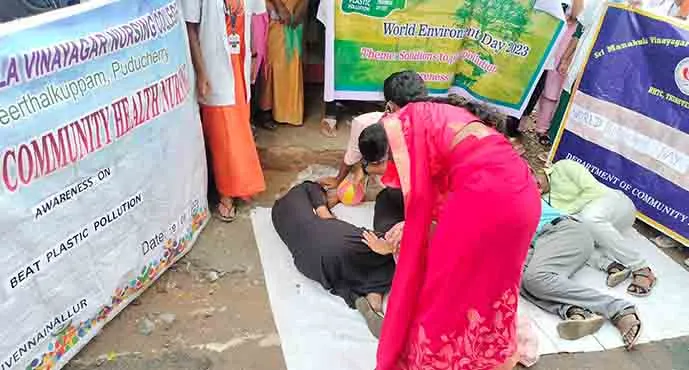
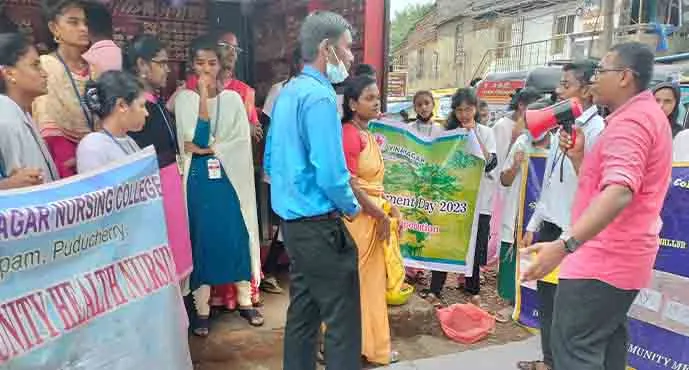
AWARENESS PROGRAMME ON BEAT PLASTIC POLLUTION
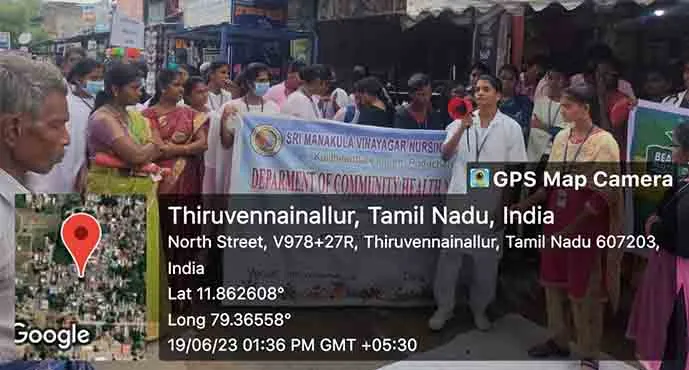
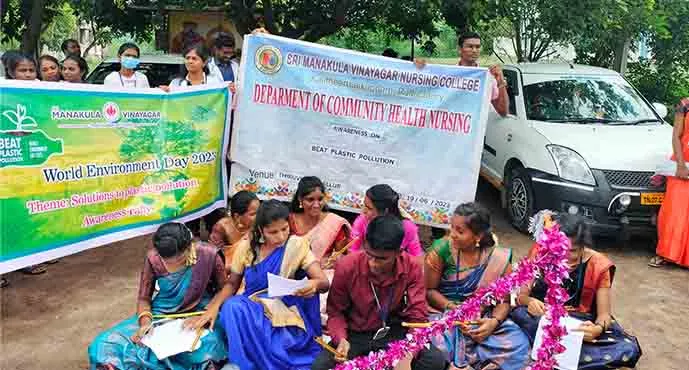
An awareness programme on plastic pollution was held on 19th June 2023 at the Rural Health Centre, Thiruvennainallur, by nursing students. About 60 community members benefited through education on the harmful effects of plastic on health and the environment
AWARENESS PROGRAMME ON DIABETES MELLITUS AND HYPERTENSION
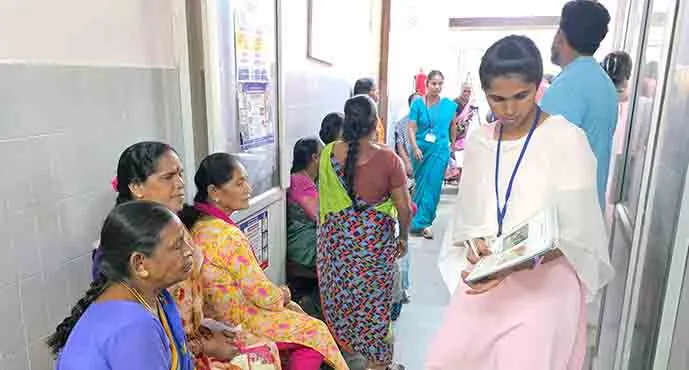
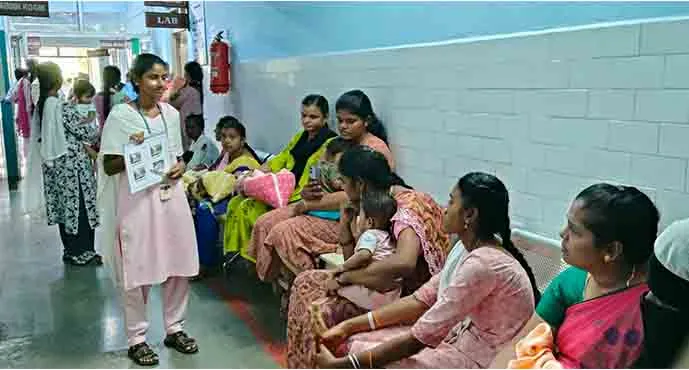
On 18th April 2023, an awareness programme on Diabetes Mellitus and Hypertension was held at Thirubhuvanai PHC, Puducherry. Nursing students educated the community through role play, posters, and health talks, benefiting about 50 participants.
AWARENESS PROGRAMME ON HEALTH AND NUTRITION -MILLETS
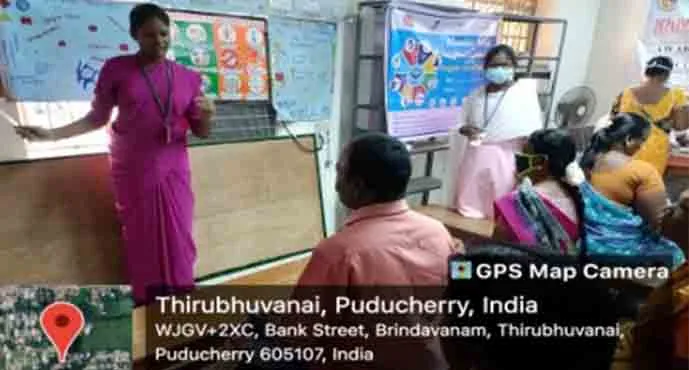
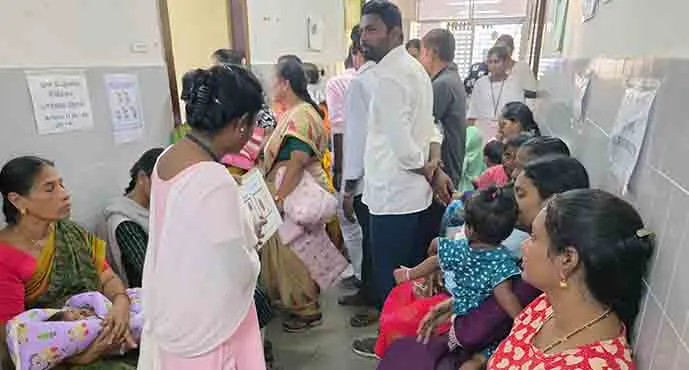
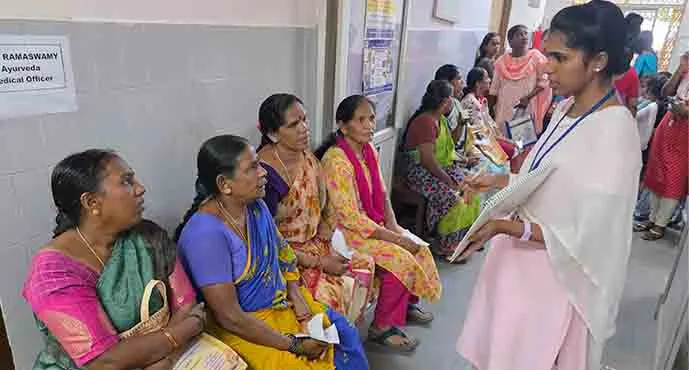
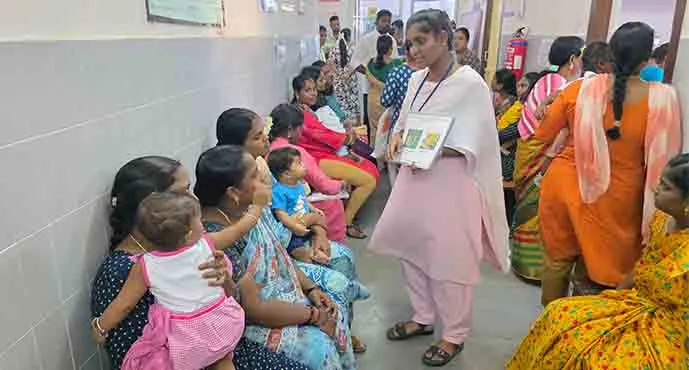
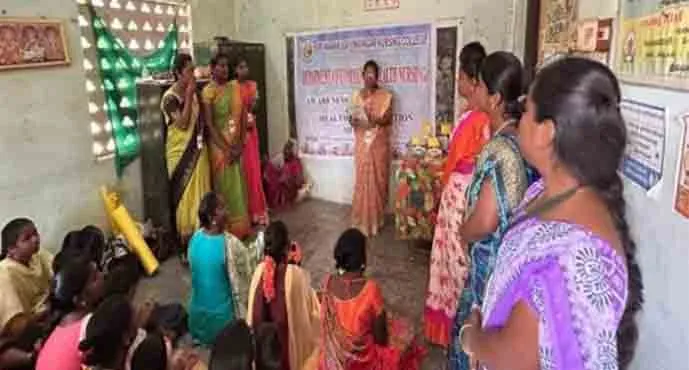
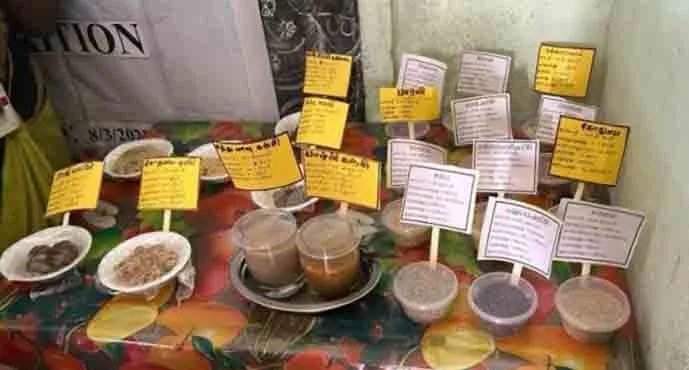
On 9th February 2023, an awareness programme on health and nutrition with an emphasis on millets was organized at Sanniyasikuppam, Puducherry. Nursing students highlighted the nutritional benefits of millets, and 30 participants actively benefited from the session.
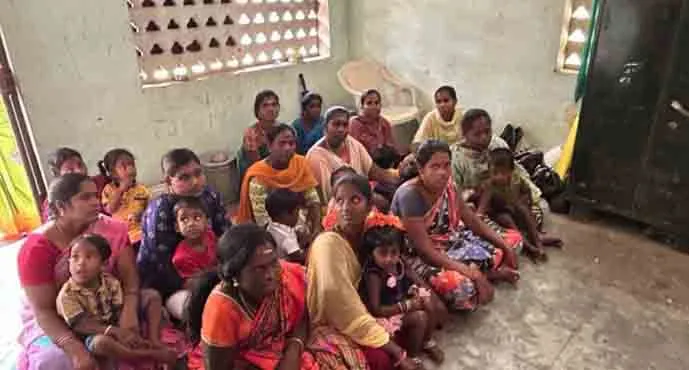
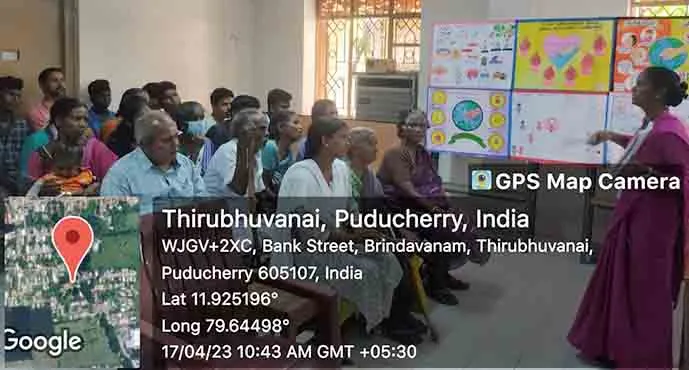
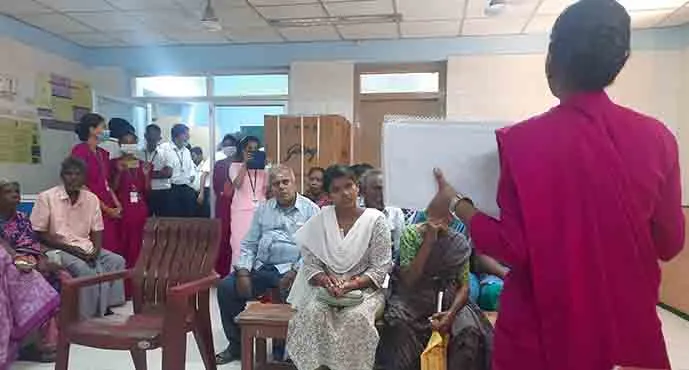
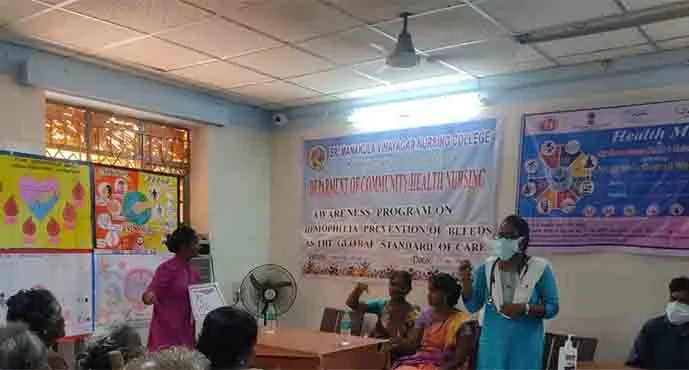
AWARENESS PROGRAMME ON HEMOPHILIA
An awareness session on Hemophilia was organized at Thirubhuvanai PHC, Puducherry, on 17th April 2023. Nursing students educated 35 beneficiaries through posters, role play, and health education
AWARENESS PROGRAMME ON HIGHER EDUCATION
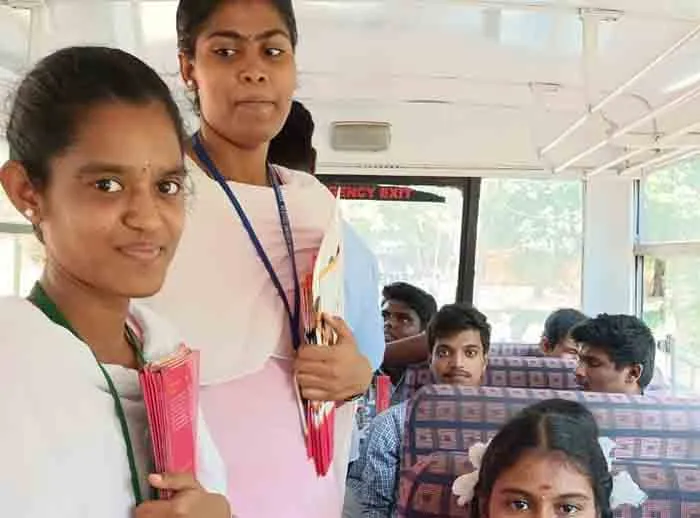
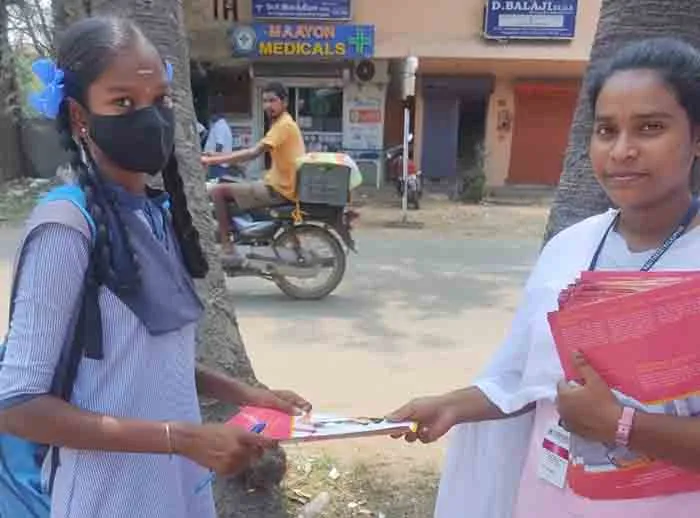
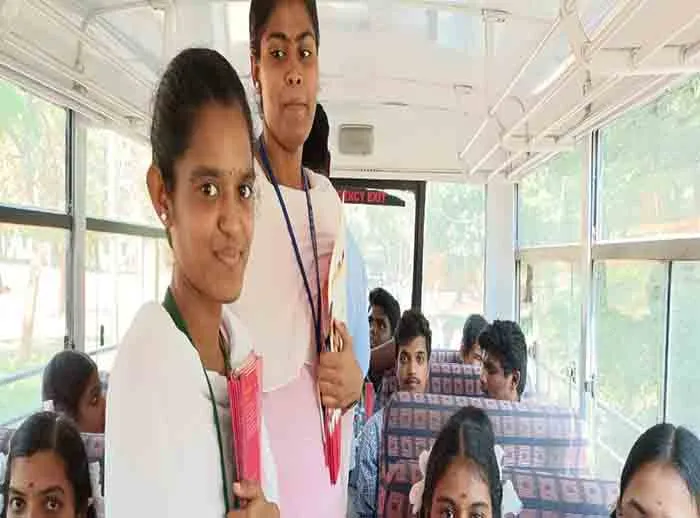
An awareness programme on Higher Education was held on 31st March 2023 at Kalaignar Karunanithi Govt. Higher Secondary School, Kalitheerthalkuppam, Puducherry. The beneficiaries included 450 students, 50 teachers, and 30 parents who were educated by nursing students
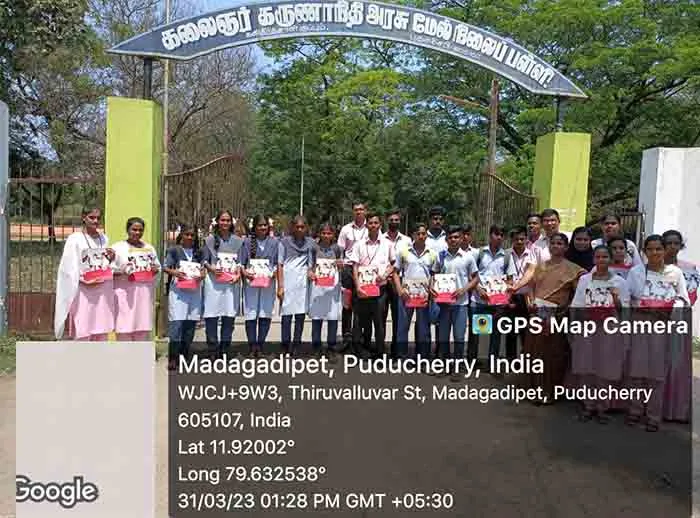
INTENSIFIED MISSION INDRADHANUSH (IMI 5.0)
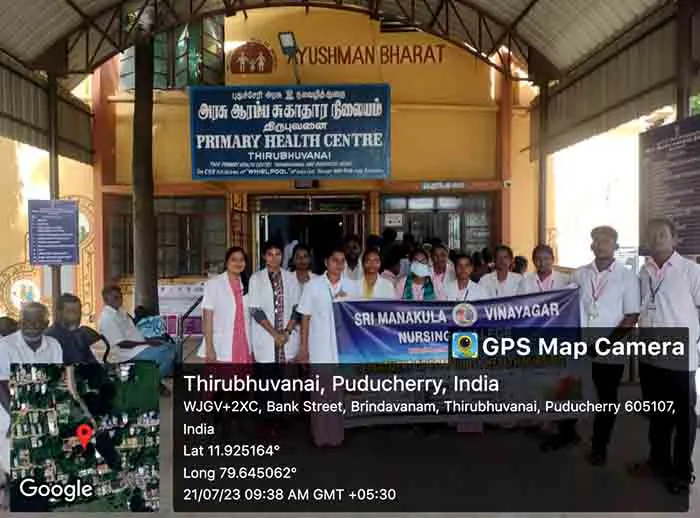
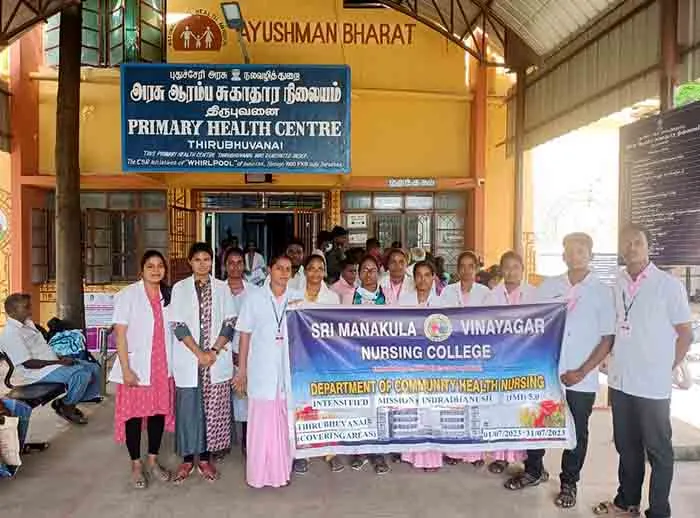
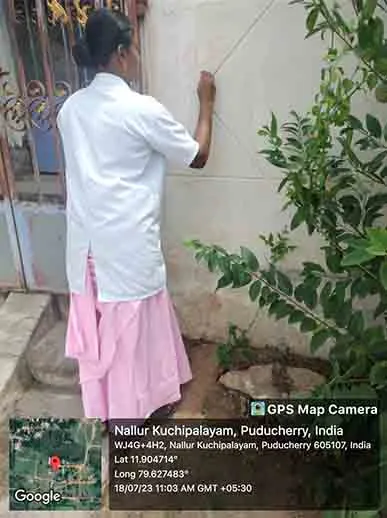
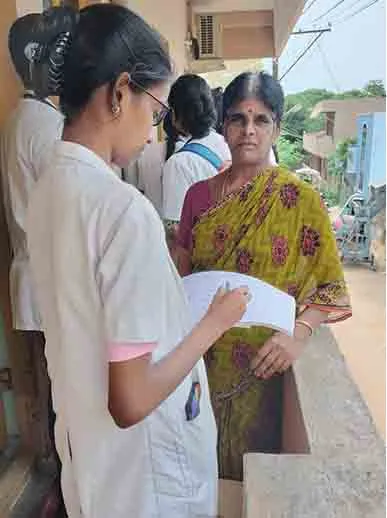
Intensified Mission Indradhanush (IMI 5.0) conducted in Thirubhuvanai (Covering areas), at Puducherry on 01.07.2023-31.07.2023. The nursing students created awareness on Immunization for under five children. 100 families were benefited.
PROGRAMME OFFERED:
Placement of Community Health Nursing Subject in,
B.Sc., Nursing
Semester Pattern:
Community Health Nursing – I – V Semester
Community Health Nursing – II – VII Semester
Post Basic B.Sc., Nursing
Community Health Nursing – II year.
M.Sc., Nursing
Speciality I – Community Health Nursing – I – I year.
Speciality II – Community Health Nursing – II – II year.
COURSE OUTCOME
B.Sc., NURSING
COURSE OUTCOME – COMMUNITY HEALTH NURSING – I
- At the end of the course, the students will be able to demonstrate a comprehensive understanding of the concepts, principles, and scope of community health and community health nursing. They will acquire knowledge of the evolution of public health in India, the organization of health care delivery systems, and the role of nurses in promoting, preventing, and maintaining the health of individuals, families, and communities.
- Students will be able to apply the principles of epidemiology, environmental health, primary health care, and nutrition to identify community health problems and implement appropriate promotive, preventive, curative, and rehabilitative interventions. They will also develop skills in health education, behavior change communication, and participation in national health programs to achieve sustainable development goals and improve the overall health status of the population.
- Furthermore, the students will be able to demonstrate leadership, management, and documentation skills in organizing and evaluating community health services. They will uphold ethical values, cultural sensitivity, and teamwork in community-based practice while empowering individuals and families to take responsibility for their own health and utilize community resources effectively for holistic care
LEARNER’S OUTCOME
COMMUNITY HEALTH NURSING – I (THEORY)
|
S.NO. |
COURSE |
LEARNER’S OUTCOME |
|
1. |
COMMUNITY HEALTH NURSING – I (PRACTICAL) |
1. Conduct community needs assessments or surveys in rural and urban areas to identify health needs and resources of the population. 2. Observe and analyze the functioning of Sub-Centres, Health and Wellness Centres, Primary Health Centres, and Community Health Centres and describe their role in delivering primary health care services. 3. Assess local water resources and purification processes evaluate water quality standards, and explain the importance of safe drinking water in community health. 4. Observe rainwater harvesting and sewage disposal systems identify environmental sanitation issues, and suggest appropriate preventive measures. 5. Observe food safety and hygiene practices at facilities such as milk dairies, slaughterhouses, and markets, and relate these to public health standards. 6. Participate in nutrition programs and assess the effectiveness of nutritional interventions in the community. 7. Screen, identify, and provide primary management and referral for one communicable and one non-communicable disease case in the community. 8. Conduct at least two home visits demonstrating effective communication, family assessment, and follow-up care. 9. Participate in at least two national health programs and describe the nurse’s role in implementation and monitoring. 10. Participate in one school health program perform health screening, and provide health education to school children. 11. Perform nutritional assessment of an adult and interpret findings to plan appropriate dietary advice or referrals. 12. Plan and deliver a health teaching session for adults using suitable audio-visual aids such as flash cards, posters, flannel graphs, and flip charts. 13. Perform health assessments of women, infants/under-five children, adolescents, and adults, and record findings accurately. 14. Carry out growth monitoring for under-five children, interpret growth charts, and counsel caregivers on child nutrition and development. 15. Document and maintain individual, family, and health centre records, ensuring accuracy and confidentiality. 16. Conduct a community health survey to investigate an epidemic, collect and analyze data, and assist in implementing control measures. |
COURSE OUTCOME – COMMUNITY HEALTH NURSING – II
- On completion of this course, the students will be able to apply knowledge and skills in the assessment, screening, diagnosis, and primary management of common health conditions and emergencies across all age groups in the community. They will be competent in providing first aid and essential primary care for gastrointestinal, respiratory, cardiovascular, urinary, eye, ENT, reproductive, and mental health problems, as well as managing emergency situations such as fever, shock, burns, poisoning, fractures, drowning, and road traffic accidents. Students will also understand and implement standing orders, referral systems, and first-line management at the sub-center and primary health care level.
- They will gain the ability to deliver comprehensive maternal, newborn, child, and adolescent health services through the application of national programs such as RMNCH+A, RBSK, RKSK, and UIP. Students will demonstrate competence in antenatal, intranatal, and postnatal care, early identification of high-risk conditions, and appropriate referral and follow-up. They will also develop skills in counseling, nutrition education, and adolescent reproductive and sexual health promotion, ensuring respectful, confidential, and client-centered service delivery.
- Furthermore, students will be able to participate effectively in community health management through data collection, analysis, and interpretation for planning and evaluation of health services. They will contribute to family welfare, geriatric, occupational, and mental health programs, while ensuring proper record-keeping, budgeting, and financial reporting at health centers. The students will also demonstrate leadership and supervision skills, uphold biomedical waste management and disaster preparedness standards, and collaborate with national and international health agencies for effective implementation of public health programs.
COMMUNITY HEALTH NURSING – II (THEORY)
|
S.NO. |
COURSE |
LEARNER’S OUTCOME |
|
1. |
COMMUNITY HEALTH NURSING – II (THEORY) |
1. Identify and manage common health conditions and emergencies at the community level using appropriate standing orders and first aid measures. 2. Provide primary care and ensure timely referral for gastrointestinal, respiratory, cardiovascular, urinary, eye, ENT, and reproductive health problems. 3. Deliver comprehensive RMNCH+A services, including antenatal, intranatal, postnatal, newborn, child, and adolescent care as per national program guidelines. 4. Detect high-risk conditions in mothers and children early and apply appropriate preventive and referral interventions. 5. Demonstrate counseling skills for maternal, child, and adolescent health, ensuring confidentiality and respectful communication. 6. Collect, analyze, and interpret community data to plan, implement, and evaluate local health services effectively. 7. Apply principles of leadership, supervision, and teamwork in managing community health programs and frontline workers. 8. Maintain accurate health records and reports using HMIS and other information systems for quality data management. 9. Participate in family welfare, geriatric, occupational, and mental health programs through screening, counseling, and community-based interventions. 10. Ensure preparedness for disasters and public health emergencies, practicing safe waste disposal and environmental hygiene. 11. Collaborate with national and international health agencies to promote, implement, and sustain community health initiatives. |
COMMUNITY HEALTH NURSING – II (PRACTICAL)
|
S.NO. |
COURSE |
LEARNER’S OUTCOME |
|
1. |
COMMUNITY HEALTH NURSING – II (PRACTICAL) |
1. Apply national protocols and standing orders approved by the Ministry of Health & Family Welfare (MOH&FW) in screening, diagnosis, and primary management of common health conditions. 2. Identify and manage minor ailments and emergencies at the community and primary healthcare level using standard treatment guidelines. 3. Recognize and refer complicated case appropriately to higher centers for advanced care. 4. Assess and provide maternal care during antenatal, intrapartum, and postnatal periods, ensuring safe motherhood practices. 5. Conduct normal deliveries at the health center level and maintain accurate documentation and reporting. 6. Provide immediate and essential newborn care to ensure early identification and management of at-risk neonates. 7. Offer adolescent and family planning counseling using effective communication and behavior change strategies. 8. Prepare and analyze family case studies in both rural and urban settings to understand family dynamics and health needs. 9. Conduct health assessments of elderly individuals focusing on physical and nutritional well-being. 10. Screen for mental health and occupational health problems and provide appropriate referrals and follow-up care. 11. Participate in organizing and conducting health programs such as antenatal clinics, under-five clinics, and health camps at the community level. 12. Plan and implement a group project on community diagnosis, including data collection, management, and interpretation. 13. Prepare comprehensive reports on health center activities and present findings for community health improvement. 14. Participate in disaster preparedness and mock drills, demonstrating understanding of emergency response systems. 15. Visit and evaluate public health service sites such as biomedical waste management and AYUSH clinics to understand integrative and sustainable health practices. 16. Demonstrate professional ethics, teamwork, and leadership in providing holistic, preventive, promotive, and curative community health services. |
COURSE OUTCOME
Post Basic B.Sc., Nursing
COURSE OUTCOME – COMMUNITY HEALTH NURSING
- This course helps learners understand the concepts and principles of community health nursing and primary health care. It emphasizes the community health nursing process, health promotion, disease prevention, and the link between environment and health, including the sustainable use of natural resources.
- Learners will gain knowledge of epidemiology, biostatistics, family health, and national health programs, along with skills in health education, communication, and community-based care. They will understand the structure of health services in India and the role of nurses in maternal, child, occupational, and environmental health.
- The course prepares students to function effectively as community health nurses and team members, applying nursing principles, leadership, and ethical practices. It also promotes awareness of environmental protection, disaster management, and sustainable community health development.
COMMUNITY HEALTH NURSING – (THEORY)
|
S.NO. |
COURSE |
LEARNER’S OUTCOME |
|
1. |
COMMUNITY HEALTH NURSING (THEORY) |
1. Explain the concepts, principles, and scope of community health nursing and its role in promoting individual, family, and community well-being. 2. Describe the objectives and elements of primary health care and apply them effectively in various community health settings. 3. Analyze the relationship between environment and health and explain the impact of ecosystems and natural resources on human health. 4. Identify the causes, effects, and control measures of environmental pollution and participate in preventive and promotive health actions. 5. Apply the community health nursing process to assess, plan, implement, and evaluate care for families and communities. 6. Demonstrate competency in family health assessment, home visiting, and providing care for individuals across all age groups. 7. Explain the structure and functions of the health care delivery system in India at national, state, and local levels. 8. Participate actively in national health programs such as MCH, family welfare, school health, and occupational health services. 9. Apply epidemiological and biostatistical principles for data collection, analysis, and evaluation of health programs. 10. Utilize health education and communication methods to create awareness and promote positive health behavior in the community. 11. Demonstrate knowledge of environmental protection laws and health policies relevant to community and public health. 12. Function effectively as a member and leader of the health team, maintaining ethical standards and professional accountability. 13. Participate in disaster preparedness and management activities to minimize health risks during emergencies. 14. Use information technology and management information systems (MIS) in recording, reporting, and analyzing health data. 15. Promote sustainable and equitable health practices to ensure environmental conservation and community well-being. |
COMMUNITY HEALTH NURSING – (PRACTICAL)
|
S.NO. |
COURSE |
LEARNER’S OUTCOME |
|
1. |
COMMUNITY HEALTH NURSING (PRACTICAL) |
1. Prepare a comprehensive community profile by collecting and analyzing data on health, environment, and social conditions. 2. Identify family health needs through home visits and provide appropriate health counseling, guidance, and family budgeting for optimum health. 3. Participate actively in the day-to-day functioning of PHCs, Sub-centres, and MCH centers to gain practical experience in community health services. 4. Visit health and welfare agencies, water purification and sewage plants, and infectious disease hospitals to understand public health infrastructure. 5. Plan and conduct health education programs for individuals, groups, and communities using effective communication methods. 6. Demonstrate understanding of the roles and responsibilities of Mid-Level Health Care Providers (MLHPs) in delivering comprehensive primary care. 7. Explain the concept of AYUSHMAN BHARAT and Health and Wellness Centres, including key elements of Comprehensive Primary Health Care (CPHC). 8. Apply standard treatment protocols in diagnosing and managing common illnesses at the sub-centre level as per national health programs. 9. Describe the Rashtriya Bal Suraksha Karyakram (RBSK) and its role in child health screening and early intervention services. 10. Develop social mobilization and behavior change communication skills for effective community engagement. 11. Demonstrate competence in drug dispensing, safe childbirth practices, postpartum care, and family planning counseling. 12. Participate in investigation and reporting of disease outbreaks and contribute to Integrated Disease Surveillance Project (IDSP) activities. 13. Utilize Health Management Information Systems (HMIS), Electronic Medical Records (EMR), and Mother and Child Tracking Systems (MCTS) for data management. 14. Apply knowledge of nutrition across the life cycle and national nutritional programs in promoting community nutrition. 15. Demonstrate skills in suturing superficial wounds, newborn transport, and emergency care during childbirth. 16. Practice safe biomedical waste management as per Biomedical Waste Management Rules. 17. Explain the principles of health planning, micro birth planning, and programme management including supervision and monitoring. 18. Manage financial accounts and computing tasks at the sub-centre level efficiently and accurately. 19. Provide counseling using the GATHER approach for adolescents, mothers, and families on reproductive and mental health issues. 20. Discuss updates on national health programs related to communicable and non-communicable diseases and their implementation at the community level. |
COURSE OUTCOME
M.Sc., NURSING
COURSE OUTCOME – COMMUNITY HEALTH NURSING – I
- This course enables learners to understand the historical development, philosophy, aims, objectives, and scope of community health and community health nursing in India and globally. Students will analyze the current trends, challenges, ethical, legal, and socio-cultural issues in community health, and assess the health status of populations using community diagnosis, population dynamics, and epidemiological principles.
- Learners will apply knowledge of national health, population, and family welfare policies and programs to plan, implement, and evaluate community-based interventions. They will develop skills in family health nursing, maternal and neonatal care, disaster nursing, nutrition, and health education, using communication strategies, IEC, telemedicine, and mass media to promote health across diverse populations.
- The course prepares students to function effectively within the health care delivery system at all levels, including urban, rural, tribal, and difficult areas, while integrating alternative systems of medicine, health technology, research, and public-private partnerships. Learners will demonstrate professionalism, leadership, decision-making, and ethical responsibility as competent community health nurses, capable of improving the quality of care and promoting community well-being.
COMMUNITY HEALTH NURSING – I (THEORY)
|
S.NO. |
COURSE |
LEARNER’S OUTCOME |
|
1. |
COMMUNITY HEALTH NURSING – I (THEORY) |
1. Explain the concepts, scope, and historical development of community health and community health nursing, including ethical, legal, and socio-cultural considerations. 2. Assess the health status of communities using population data, epidemiological principles, and community diagnosis. 3. Apply national health, population, and family welfare programs in planning, implementing, and evaluating community-based interventions. 4. Conduct family and community health nursing, including maternal, neonatal, and child care, disaster nursing, and care for special populations. 5. Utilize health education, communication, and IEC strategies to promote health awareness and positive behavior change. 6. Function effectively within the health care delivery system at national, state, district, and community levels. 7. Integrate alternative medicine, health technology, research evidence, and public-private partnerships into community health practice. 8. Demonstrate professionalism, leadership, ethical responsibility, and decision-making skills in community health nursing. 9. Monitor and evaluate quality of care, nursing standards, and program effectiveness in community health settings. 10. Promote sustainable community well-being through holistic, preventive, promotive, and curative nursing practices. |
COMMUNITY HEALTH NURSING – I (PRACTICAL)
|
S.NO. |
COURSE |
LEARNER’S OUTCOME |
|
1. |
COMMUNITY HEALTH NURSING – I (PRACTICAL) |
1. Identify community leaders and resource persons through community mapping and conduct comprehensive community health surveys. 2. Apply the community health nursing process in providing care to individuals, families, special groups, and the wider community. 3. Provide effective counseling and health education, including campaigns, exhibitions, folk media, and preparation of IEC materials. 4. Organize and participate in special clinics, health camps, and national health and welfare programs, including health and family welfare fairs. 5. Perform exercises on vital statistics estimation, nutrition assessment, dietary planning, and health education for various age groups. 6. Demonstrate disaster preparedness through drills and participate in in-service education for health workers. 7. Assist women with self-breast examination, vaginal examination, deliveries, postnatal visits, episiotomy, suturing, and pap smear preparation. 8. Conduct insertion and removal of IUDs and prepare blood slides as part of clinical practice. 9. Maintain accurate records, reports, and registers at sub-centre, PHC, and CHC levels, ensuring proper documentation. 10. Conduct field visits and maintain a logbook documenting all community health and clinical activities |
COURSE OUTCOME
M.Sc., NURSING
COURSE OUTCOME – COMMUNITY HEALTH NURSING – II
At the end of this course, students will be able to understand the concepts, principles, scope, and applications of epidemiology in community health practice. They will gain knowledge of epidemiological methods, measurement of health and disease, and various epidemiological approaches used in the prevention and control of communicable and non-communicable diseases. Learners will develop competence in interpreting epidemiological data, understanding health trends, and applying findings to promote health, prevent diseases, and contribute to national and international public health initiatives.
Students will be equipped with the knowledge and skills to participate effectively in national health programmes. They will understand the organization, objectives, implementation, and evaluation of these programmes, including inter-sectoral coordination and health policy implications. Emphasis will be placed on the role and responsibilities of the community health nurse in planning, implementing, supervising, and evaluating community-based health interventions, including school health, adolescent health, geriatric care, disaster management, and rehabilitation services.
Learners will develop a global perspective of health through the study of international health agencies, global disease burden, international cooperation, and health regulations. They will also acquire management and leadership skills in community health through training in quality assurance, infection control, supervision, budgeting, and performance appraisal. The course will prepare students to provide comprehensive, ethical, and evidence-based care across various population groups—including the elderly, mentally ill, and occupational groups—while promoting community participation, rehabilitation, and health education to achieve holistic community well-being.
COMMUNITY HEALTH NURSING – II (THEORY)
|
S.NO. |
COURSE |
LEARNER’S OUTCOME |
|
1. |
COMMUNITY HEALTH NURSING – II (THEORY) |
1. Explain the concepts, scope, and significance of epidemiology in understanding community health trends and disease patterns. Develop insight into how epidemiological principles guide public health planning and decision-making. 2. Identify and apply epidemiological methods in assessing, preventing, and controlling diseases in the community. Utilize these methods to interpret data and implement appropriate preventive strategies. 3. Analyze determinants and distribution of communicable and non-communicable diseases. Use this understanding to plan effective interventions for disease prevention and health promotion. 4. Describe the objectives, structure, and implementation of national health programmes and schemes. Understand their relevance in improving population health and achieving national health goals. 5. Demonstrate knowledge of the roles and responsibilities of community health nurses in various health programmes. Apply nursing skills in prevention, promotion, and rehabilitation at all levels of care. 6. Integrate health policies and inter-sectoral coordination in planning and delivering comprehensive community health services. Collaborate with multiple sectors to achieve holistic and sustainable health outcomes. 7. Utilize health information systems and epidemiological data for effective decision-making and evaluation. Interpret data to monitor health trends and improve the quality of community-based interventions. 8. Recognize global health priorities, international agencies, and their influence on national health programmes. Appreciate the role of international cooperation and health regulations in controlling disease spread. 9. Demonstrate leadership, management, and quality assurance skills in community health nursing practice. Apply principles of supervision, budgeting, and performance evaluation for efficient health service delivery. 10. Provide ethical, evidence-based, and holistic care to individuals and groups across all age categories. Address the needs of elderly, mentally ill, and occupational groups through community-based rehabilitation and support. |
COMMUNITY HEALTH NURSING – II (PRACTICAL)
|
S.NO. |
COURSE |
LEARNER’S OUTCOME |
|
1. |
COMMUNITY HEALTH NURSING – II (PRACTICAL) |
1. Describe the structure, functions, and services of various health institutions such as CHC/FRU, MCH office, RCH clinics, and disease control centers. 2. Explain the role of different specialized units such as TB, AIDS, leprosy, filariasis, and mental health centers in disease prevention and control. 3. Demonstrate skills in organizing and conducting health clinics, school health assessments, and community health surveys. 4. Perform basic clinical procedures such as drug administration, screening for diseases, and treatment of minor ailments as per protocols. 5. Assist in family welfare procedures like laparoscopic sterilization and vasectomy under supervision. 6. Participate in monitoring and evaluation of national health and family welfare programs at various levels. 7. Apply knowledge in identifying, investigating, and reporting outbreaks and other public health emergencies. 8. Develop abilities in counseling, referral services, and preparation of project proposals and official reports. 9. Maintain records, manage materials through requisition, inventory, and condemnation procedures effectively. 10. Demonstrate teamwork, leadership, and liaison skills while working with NGOs, community leaders, and other health personnel for effective service delivery. |